Wild Flower Papers V45: 180 Washi Tapes for Digital Design
When you're deep in a digital scrapbook layout or crafting a social media graphic, the right texture can make all the difference. A simple strip of patterned tape can anchor an element, add a pop of color, or introduce a handcrafted feel that digital tools sometimes lack. The Wild Flower Papers V45 | 180 Washi Tapes set is built exactly for those moments. It's a substantial collection derived from the Wild Flower Papers Vol. 45 paper set, offering a versatile toolkit for creators who value both variety and cohesion in their design assets.
A Collection Built on Cohesion and Choice
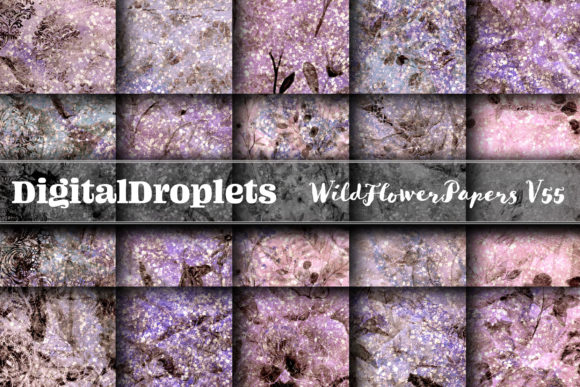
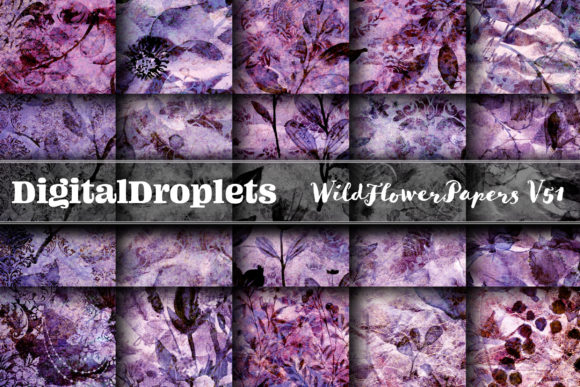
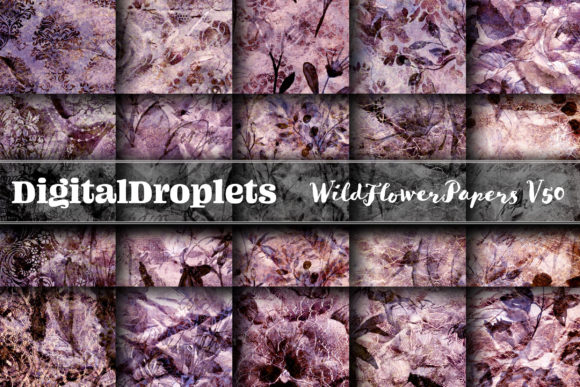
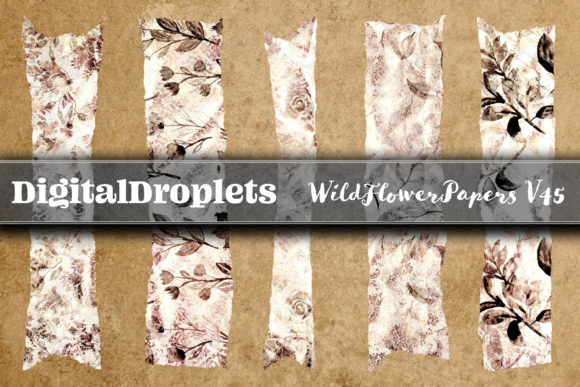
What makes this particular set of washi tapes stand out is its systematic construction. It's not just a random assortment of patterns. You get 9 distinct washi tape shapes created from each of the 20 unique papers in the source collection. That multiplies out to a total of 180 uniquely patterned tapes. Each design maintains the visual language of the Wild Flower Papers series—likely featuring organic motifs, soft textures, and nature-inspired color palettes—but presents them in a format that's immediately useful for layering and composition.
The tapes are delivered as PNG files with transparent backgrounds. This is a critical detail for anyone working in digital design software like Photoshop, Illustrator, Canva, or Affinity. The transparency allows you to place a tape strip over any background—whether it's a photo, a solid color, or another pattern—without dealing with awkward white or colored edges. You can use the tapes as they are for a crisp, clean torn-paper effect, or you can adjust the opacity to simulate the look of real cellophane tape, adding a subtle layer of realism to your projects.
Practical Applications Across Creative Projects
The beauty of a well-designed washi tape collection is its cross-functional utility. These aren't single-use assets. Consider how they might serve different parts of your creative workflow.
For digital scrapbookers and photo album creators, the tapes are perfect for attaching photos to virtual pages, creating borders, or masking journaling blocks. The torn edges give layouts an authentic, tactile quality that mimics the experience of working with physical materials. In junk journaling, both digital and hybrid, they can function as tabs, dividers, or decorative accents that tie pages together thematically.
Graphic designers and content creators will find them valuable for social media graphics and web design mockups. A washi tape strip can highlight a quote, frame a call-to-action, or add visual interest to an otherwise flat layout. For card makers, whether designing for print or digital, these tapes offer a quick way to introduce pattern and movement. In editorial design and packaging design, they can serve as decorative elements in mood boards or as part of a larger brand identity system that emphasizes a handmade, artisanal aesthetic.
Working with the PNG Format and Transparent Backgrounds
Because each tape is a separate PNG file, you have significant control over how you use them. Here are a few practical tips for integrating them into your projects:
- Layering and blending modes: Place a tape on its own layer above your background. Experiment with blending modes like Multiply, Overlay, or Soft Light to see how the pattern interacts with the colors beneath it. This can create interesting visual effects and help the tape integrate more naturally into your composition.
- Adjusting opacity: Reducing the opacity of a tape layer can make it look more translucent, similar to how real washi tape behaves when light passes through it. This technique is especially effective when you're layering multiple tapes or placing them over detailed areas like photos.
- Resizing and cropping: The maximum size of 10.8 inches by 2.9 inches gives you plenty of material to work with. Don't hesitate to crop a tape down to a smaller strip or resize it to fit a specific layout element. The PNG format preserves quality well at different scales.
- Color adjustments: While the tapes come in the colors and patterns from the original Wild Flower Papers Vol. 45 set, you can always apply hue/saturation adjustments or color overlays in your design software to match a specific project palette.
Evaluating Fit for Your Brand and Projects
Choosing the right design assets is about more than just aesthetics—it's about alignment. The Wild Flower Papers V45 washi tapes have a particular personality: organic, textured, and slightly imperfect in a way that feels intentional and charming. This style works exceptionally well for brands and projects that emphasize authenticity, craftsmanship, nature, or a DIY sensibility.
Think about your audience. If you're a blogger writing about gardening, sustainable living, or handmade goods, these tapes will feel like a natural extension of your visual voice. If you're a small business owner selling artisanal products, using these in your social media graphics or product packaging mockups can reinforce the handmade quality of your brand. For marketers and entrepreneurs in the wellness or lifestyle space, they can soften the digital feel of your content and make it more approachable.
That said, they might not be the right fit for every project. A fintech startup aiming for a sleek, modern brand identity might find the torn, textured style at odds with their messaging. Context always matters. Before committing to any design asset, consider whether its visual personality supports or distracts from the story you're trying to tell.
Pairing and Integration with Other Design Elements
One of the strengths of a collection like this is how well it plays with other elements. The tapes are designed to complement the broader Wild Flower Papers Vol. 45 set, so if you already own those papers, you'll find seamless visual harmony. But they also work alongside other design assets.
Consider pairing them with clean, simple sans serif fonts for a balanced look—the organic texture of the tape contrasts nicely with the geometric precision of modern typefaces. Alternatively, combine them with a handwritten font or script font to double down on the crafty, personal aesthetic. For layouts that need more structure, a serif font can provide an elegant counterpoint.
When building a cohesive project—whether it's a scrapbook, a series of social media posts, or a set of greeting cards—try selecting tapes from the same paper source within the collection. Since each paper generates 9 tape variations, you can mix and match shapes while keeping the pattern consistent, which helps maintain visual unity without sacrificing variety.
Expanding Your Collection
The creator of the Wild Flower Papers V45 | 180 Washi Tapes set also offers other variations and free samples in their shop. If you're curious about the quality or want to test how the tapes work in your specific software or workflow, grabbing a freebie is a smart first step. And if you have a favorite paper from the Wild Flower Papers series that hasn't been converted into a torn washi tape set yet, you can reach out through their Facebook or Instagram to request it. That kind of responsiveness is rare and worth taking advantage of.
Ultimately, the value of a resource like this lies in how often you reach for it. A collection of 180 washi tapes gives you enough range that you'll likely find uses for them across dozens of projects—each one adding a small but meaningful layer of texture, color, and personality to your work.